
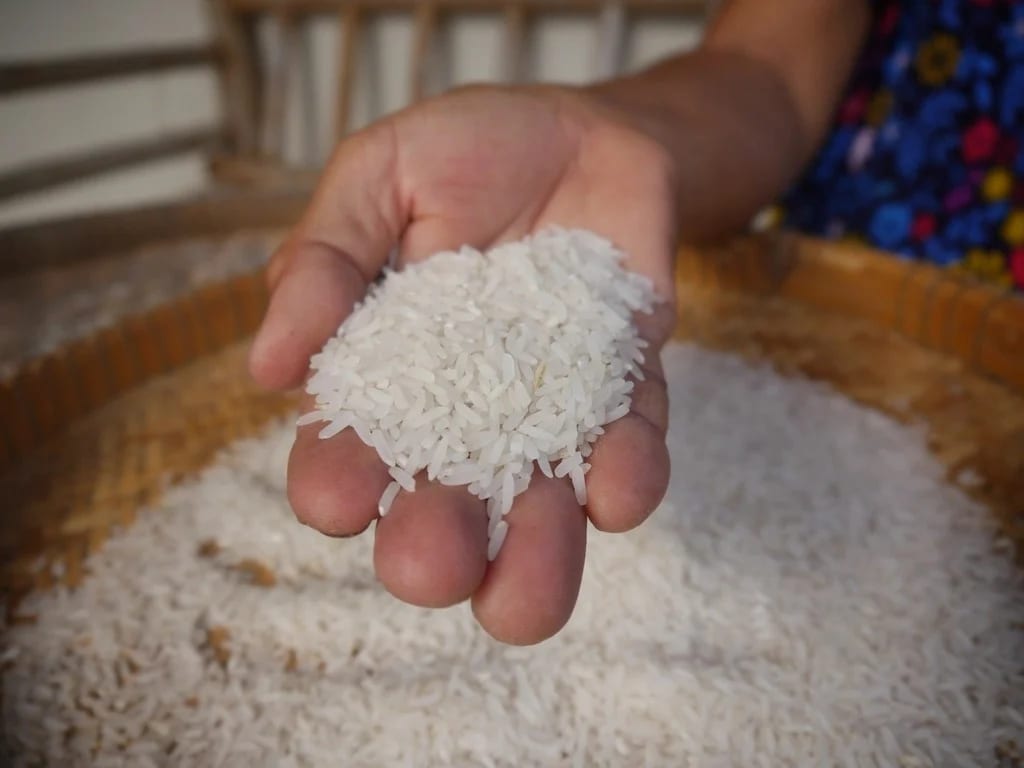
Jasmine rice is one of the most forgiving grains you can cook — but a few small details make the difference between a pot that is merely fine and one that fills the kitchen with that soft, floral aroma and gives you tender, separate grains. This guide walks you through everything we have learned, for both white jasmine rice and whole-grain purple jasmine rice.
Start with the right ratio
The most common reason rice turns out mushy is simply too much water. Jasmine rice needs less water than many people expect, because the grains are naturally soft once cooked.
- White jasmine rice, on the stove: 1 cup of rice to 1¼ cups of water. If your family likes rice a little softer, go up to 1½ cups.
- Purple (whole-grain) jasmine rice, on the stove: 1 cup of rice to 1¾–2 cups of water. The bran layer that gives purple rice its color also means it needs more water and more time.
- Rice cooker: follow the water lines inside the bowl for “white” or “brown” rice, or use the stove ratios above.
- Pressure cooker: about 1 cup of white jasmine rice to 1 cup of water; for purple rice, 1 cup to 1¼ cups.
Measure with the same cup for both the rice and the water. Precision matters more than the size of the cup.
Rinse — but gently
Rinsing removes loose surface starch, which is what makes grains clump together. Put the rice in a bowl, cover it with cool water, swirl it with your fingers and pour the cloudy water off. Two or three rinses are usually enough; the water does not need to run perfectly clear.
With purple rice, the rinsing water will turn a pretty violet color. That is completely normal — it is the natural pigment from the bran. Rinse it once or twice, gently, so you keep as much of that color in the grain as possible.
Cooking on the stove
- Add the rinsed rice and the measured water to a heavy-bottomed pot with a tight-fitting lid. A pinch of salt is optional.
- Bring it to a boil over medium-high heat, uncovered.
- As soon as it boils, stir once, turn the heat down to the lowest setting and cover the pot.
- Cook white jasmine rice for 15 minutes; purple rice for 35–40 minutes. Do not lift the lid while it cooks — the steam is doing half the work.
- Turn off the heat and let the pot rest, still covered, for 10 minutes.
- Fluff the rice with a fork or a rice paddle, lifting from the bottom, and serve.
That final rest is the step most people skip, and it is the one that matters most. Resting lets the moisture spread evenly through the pot, so the grains at the top are as tender as the ones at the bottom.
Using a rice cooker
A rice cooker takes the guesswork out of timing. Rinse the rice, add it to the bowl with the right amount of water, close the lid and choose the white rice setting for jasmine rice, or the brown rice / whole-grain setting for purple rice. When the cooker switches to “keep warm”, leave it closed for another 10 minutes before opening it.
Using a pressure cooker
For white jasmine rice, cook on high pressure for 4 minutes, then let the pressure release naturally for 10 minutes before opening. Purple rice needs around 20–22 minutes on high pressure, followed by the same 10-minute natural release.
A tip for purple rice: soak it first
Because purple rice is a whole grain, soaking it in cool water for 30 minutes to a few hours softens the outer layer, shortens the cooking time and gives a more even texture. If you soak it, reduce the water slightly — by 2 to 3 tablespoons per cup — since the grains have already absorbed some.
You can also cook white and purple jasmine rice together. A blend of three parts white to one part purple gives a beautiful lavender-colored rice with a gentle, nutty flavor. Soak the purple rice first so both grains finish at the same time.
Fixing common problems
- Rice is mushy or sticky: use a little less water next time and make sure you rinse the rice and let it rest after cooking.
- Grains are still hard in the center: sprinkle 2–3 tablespoons of hot water over the rice, cover and keep it on very low heat for another 5 minutes.
- The bottom is scorched: the heat was too high, or the pot is too thin. Use the lowest flame and a heavier pot.
- Rice tastes bland: try cooking it with a pinch of salt, a knotted pandan leaf or a splash of coconut milk in place of some of the water.
Leftovers and day-old rice
Cooked rice should not sit out for long. Spread leftovers in a shallow container so they cool quickly, refrigerate them within an hour or two of cooking, and enjoy them within three to four days. Reheat with a splash of water until steaming hot all the way through.
Day-old jasmine rice is also the secret to great fried rice: the grains have dried out slightly, so they stay separate and crisp up beautifully in a hot pan.
Measure carefully, rinse gently, keep the lid on — and always let the rice rest. Those four habits are all it takes.
Whether you are cooking a simple weeknight bowl or a pot for the whole family, these steps will help every grain of O’GAO Organic Jasmine Purple Rice taste the way it should: soft, fragrant and naturally delicious.