
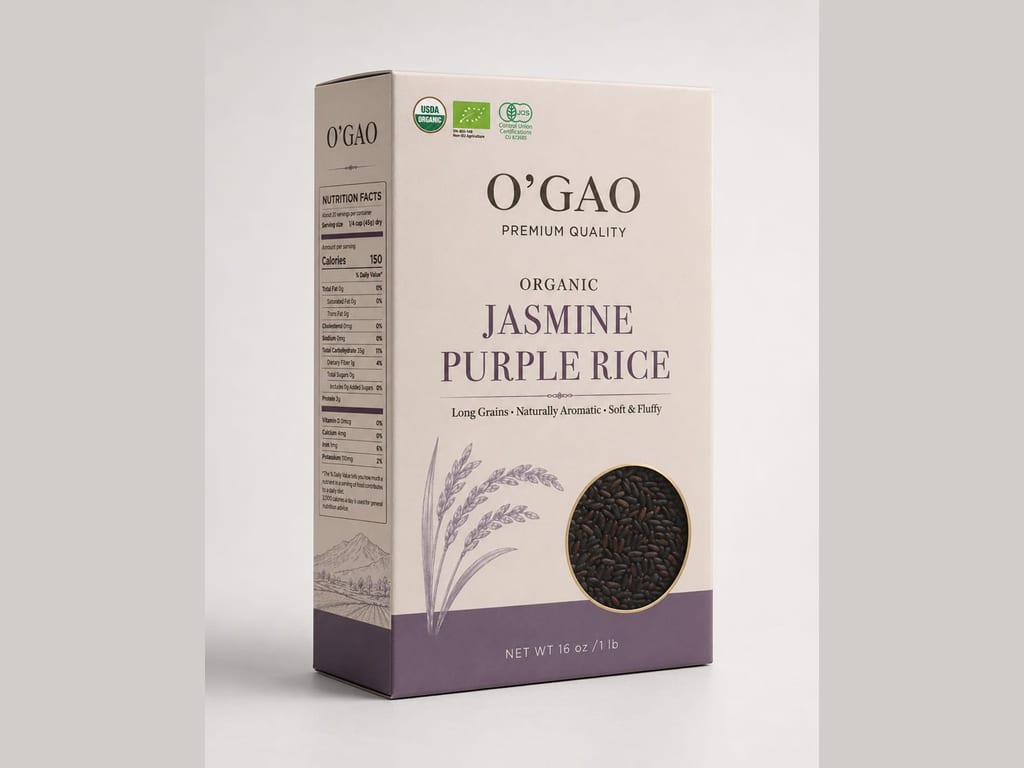
Rice is one of the easiest foods to keep in the pantry, which is why it has been a staple in kitchens around the world for thousands of years. But how you store it still matters. Good storage protects the delicate aroma of jasmine rice, keeps whole-grain rice tasting fresh and keeps pests away.
The three enemies of stored rice
- Moisture — damp rice can clump, grow mold and lose its texture.
- Heat and light — warm, bright places speed up the loss of aroma and, in whole-grain rice, the aging of natural oils.
- Air and pests — open bags absorb kitchen odors and invite pantry insects.
Keep rice cool, dry, dark and sealed, and you have solved most problems before they start.
Storing white jasmine rice
Once a package is opened, transfer the rice to an airtight container — glass, food-safe plastic or a metal tin with a good seal — and keep it in a cool cupboard away from the stove, the sink and sunny windows.
White rice keeps for a long time when stored this way. For the best fragrance, though, enjoy jasmine rice within several months of opening: its natural aroma is at its peak when the rice is fresh, and it slowly softens over time.
Storing purple and other whole-grain rice
Whole-grain rice keeps its bran and germ, which contain natural oils. Those oils are part of what makes whole grains nutritious, but they can also turn stale over time. Store purple rice in an airtight container in a cool, dark place and use it within about six months. For longer storage, keep it in the refrigerator or freezer, where it will stay fresh for many months more.
If whole-grain rice ever smells oily, bitter or like old paint, it has gone stale and should be thrown away.
Keeping pantry pests away
- Always store rice in sealed containers rather than open bags.
- Wipe out containers and shelves between refills, and do not pour fresh rice on top of old rice.
- Check rice from time to time for webbing, tiny holes or insects.
- Some families freeze a new bag for a few days before moving it to the pantry, as an extra precaution.
Signs that rice should be discarded
Throw rice away if you notice mold, a musty or sour smell, damp clumps, or any sign of insects. When in doubt, leave it out — rice is inexpensive compared to the risk of an unpleasant meal.
Storing rice in bulk: tips for stores and restaurants
For grocery stores, restaurants and other wholesale customers, good storage also protects your margins. A few simple practices go a long way:
- First in, first out. Label each delivery with the date it arrived and always use the oldest stock first.
- Off the floor, away from the walls. Keep cases on pallets or shelves, with space around them for air to circulate and for easy cleaning and inspection.
- Control the climate. A cool, dry, well-ventilated storeroom keeps rice in the best condition. Avoid areas near ovens, dishwashers or exterior doors.
- Keep packaging intact. Store rice in its original sealed packaging until it is needed, and move opened rice into clean, lidded bins.
- Order to match your pace. Especially for whole-grain rice, it is better to order a little more often than to keep a very large stock for months.
If you are planning a regular order, our team is happy to talk through quantities and package sizes that match how quickly you use rice.
Handling cooked rice safely
Cooked rice needs more care than dry rice. Some bacteria naturally present on grains can survive cooking and grow if rice is left warm for too long. Follow these simple rules:
- Do not leave cooked rice at room temperature for long — refrigerate it within an hour or two.
- Spread it in a shallow container so it cools quickly.
- Keep it in the refrigerator and eat it within three to four days.
- For longer storage, freeze portions in sealed bags or containers for up to about a month.
- Reheat only once, with a splash of water, until it is steaming hot all the way through.
Cool, dry, dark and sealed for uncooked rice; cool quickly and keep cold for cooked rice.
With a little care, every bowl of O’GAO rice — from the first scoop of a new package to the last — can taste as fresh and fragrant as the day it was packed.