
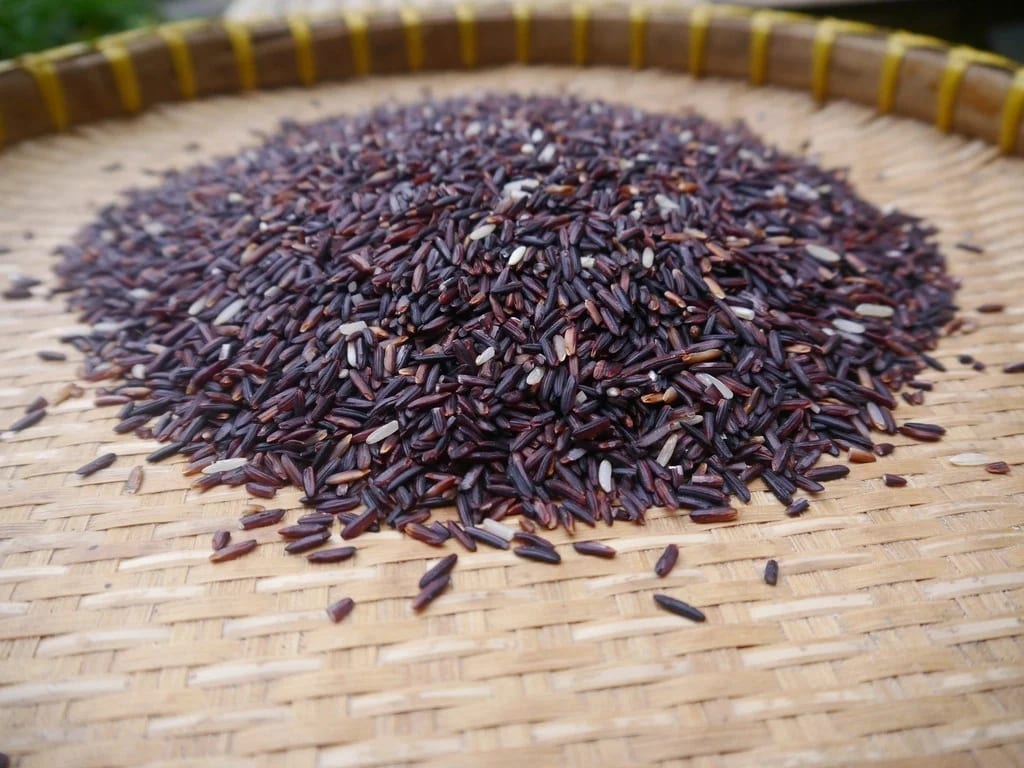
Walk down any rice aisle and the choice can feel overwhelming: white, brown, red, black, purple, jasmine, basmati, long grain, short grain. The good news is that most of these differences come down to a few simple ideas. Once you understand them, choosing the right rice for each meal becomes easy.
Inside a grain of rice
Every grain of rice grows inside a tough, inedible husk. Beneath the husk are three parts:
- The bran — the thin outer layers that carry most of the fiber, many minerals and, in colored rice, the natural pigments.
- The germ — the tiny embryo of the grain, rich in healthy fats, vitamin E and B vitamins.
- The endosperm — the starchy heart of the grain, which makes up most of its weight and gives rice its energy.
The type of rice you buy depends largely on how much of the bran and germ is kept during milling.
White rice: soft, quick and versatile
White rice has had the husk, bran and germ removed, leaving the smooth endosperm. That is why it cooks quickly, tastes mild and has a soft, tender texture that pairs with almost anything — from stir-fries and curries to grilled fish and simple vegetable dishes.
Because the oil-rich germ has been removed, white rice also keeps well in the pantry. It is the everyday rice in many homes for good reason: it is easy, comforting and a perfect partner for bold flavors.
Brown rice: the whole grain
Brown rice keeps its bran and germ; only the husk is removed. The result is a whole grain with more fiber, magnesium and B vitamins than white rice, a nuttier flavor and a chewier bite. It takes longer to cook — usually 35 to 45 minutes — and benefits from a little extra water.
Purple rice: a whole grain with natural color
Purple rice — sometimes called black or forbidden rice, depending on the variety — is also a whole grain. Its deep color comes from anthocyanins, natural plant pigments that belong to the same family as those found in blueberries, purple cabbage and blackberries. These pigments sit in the bran, so they are kept when the rice is sold as a whole grain.
In the kitchen, purple rice has a gently sweet, nutty flavor and a pleasant chew. When cooked, it turns a rich violet that makes any plate look special — and when mixed with white rice, it tints the whole pot a soft lavender.
What makes jasmine rice smell so good?
Jasmine rice is a long-grain aromatic rice. Its signature fragrance — often compared to pandan leaves or freshly popped popcorn — comes from a natural aroma compound that develops in the grain as it grows. Jasmine rice cooks up soft and slightly sticky, so the grains hold together lightly without turning gluey.
Aroma is delicate. It is strongest in rice that is harvested at the right ripeness, handled gently and enjoyed while fresh, which is why we take so much care at every step from field to package.
A quick comparison
- White jasmine rice — soft and fragrant, cooks in about 15 minutes. Best for everyday meals, curries, stir-fries and fried rice.
- Brown rice — chewy and nutty, cooks in 35–45 minutes. Best for grain bowls, salads and hearty side dishes.
- Purple jasmine rice — nutty, gently sweet and colorful, cooks in 35–40 minutes (less if soaked). Best for bowls, salads, rice puddings and mixing with white rice.
What “organic” means for your rice
Organic rice is grown without synthetic pesticides or synthetic fertilizers. Farmers rely instead on healthy soil, natural fertilizers such as compost, crop rotation and natural pest control. For whole-grain rice in particular — where you eat the outer bran layer — many families find extra peace of mind in choosing organic.
Choosing for your family
There is no single “best” rice. Many households keep two kinds in the pantry: a white jasmine rice for quick everyday meals, and a whole-grain rice such as purple jasmine rice for days when they want more fiber, more texture and a little more color on the plate.
If you are new to whole grains, start by mixing a quarter cup of purple rice into every cup of white rice. You will get a gentle nutty flavor and a beautiful color, and you can increase the share of purple rice as your family gets used to it.
White for everyday comfort, purple for color and whole-grain goodness — and both can share the same pot.
O’GAO Organic Jasmine Purple Rice brings that whole-grain color and gentle, nutty flavor to your table. Enjoy it on its own, or mix it with the white jasmine rice already in your pantry and find the blend your family loves.